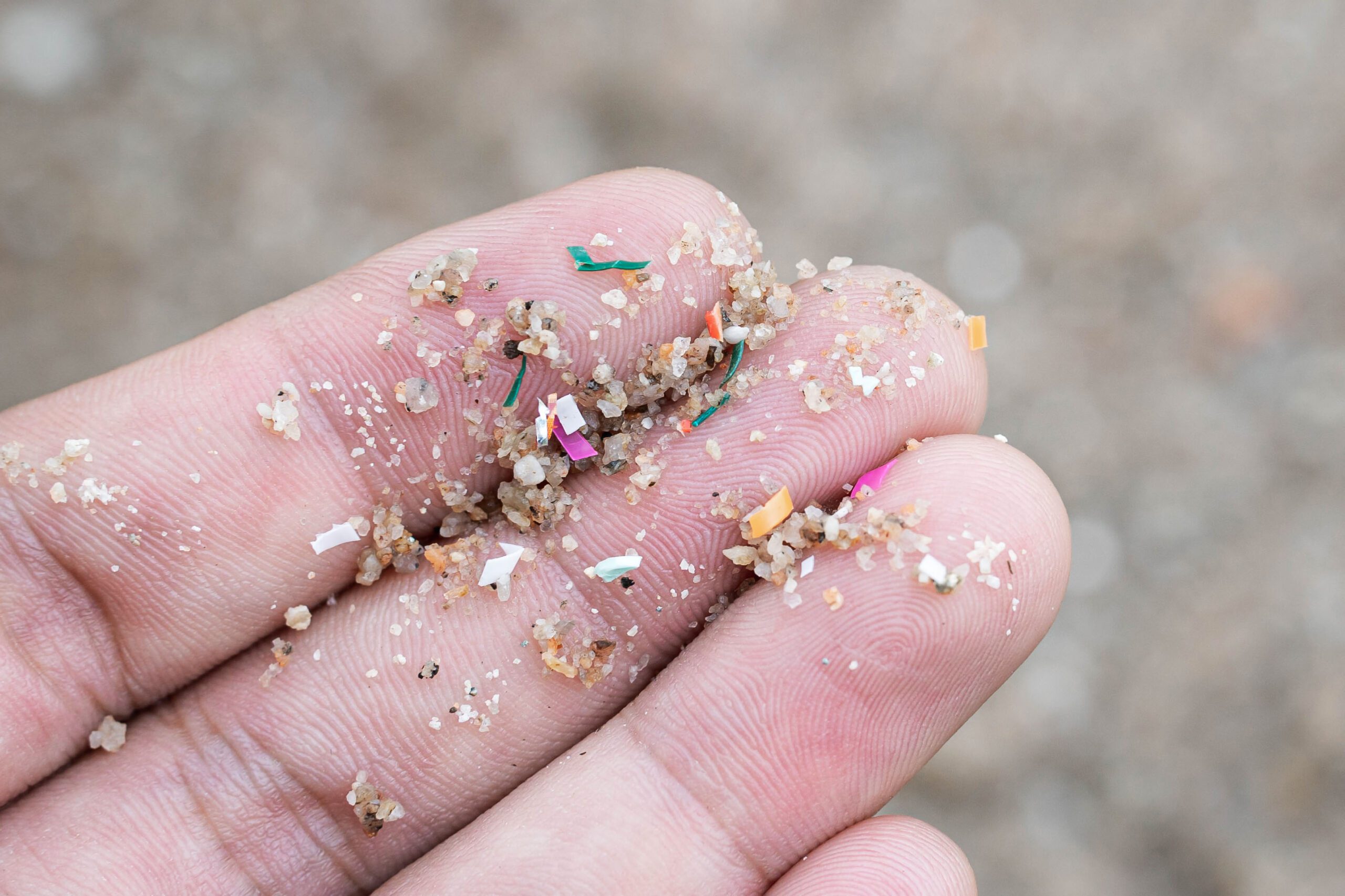
You may have heard about microplastics showing up in bottled water, but what about something as simple and natural as salt? Startling studies show that most table salt brands — including sea salt, rock salt, and even some Himalayan salts — are contaminated with microplastic particles.
How did this happen? Plastic pollution in oceans and waterways breaks down into microscopic fragments that mix with seawater. When salt is harvested, these fragments come along for the ride — and eventually end up on your dinner table.
Ingesting microplastics isn’t just gross — emerging research suggests they may trigger inflammation, alter gut bacteria, disrupt hormones, and even enter your bloodstream. Though long-term health effects are still being studied, many scientists agree this isn’t harmless.
So how can you reduce your exposure?
– Choose salt brands that actively test for purity (look for lab-tested certifications or independent studies).
– Limit processed food (a major source of “hidden” salt contaminated during manufacturing).
– Filter your drinking water, another major microplastic source.
Download our “Clean Kitchen Starter Guide” to learn about safe brands and simple swaps that reduce your daily microplastic intake.
The sad truth is that we now live in a plastic-saturated world — but knowledge and mindful choices can help you minimize your exposure and protect your health.
The Rise of Seed Cycling: Can It Really Balance Your Hormones?
If you’ve spent any time on wellness TikTok or holistic...
Read More